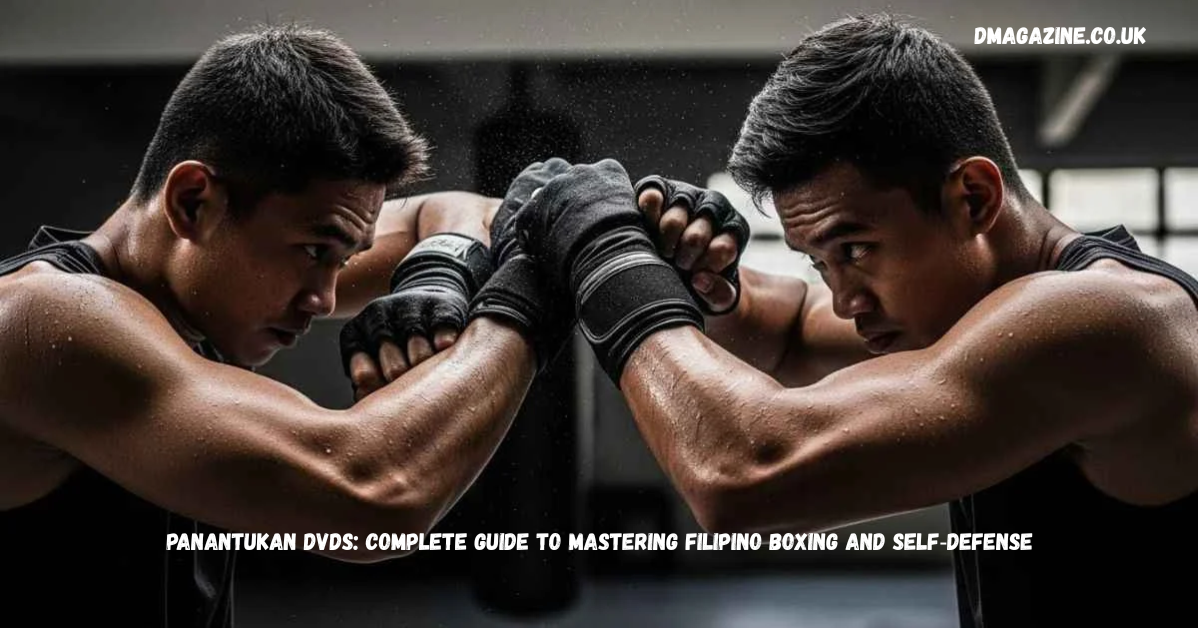
Panantukan DVDs have become one of the most valuable resources for martial arts practitioners worldwide who want to explore Filipino boxing — a practical, real-world combat system rooted in centuries of Filipino martial traditions. Often called Filipino Dirty Boxing, Panantukan blends Western boxing fundamentals with unique empty-hand adaptations from Filipino Martial Arts (FMA).
While martial arts classes and online videos abound, structured DVD training programs remain a popular and effective way to learn Panantukan because they provide organized, progressive instruction that can be revisited again and again at the learner’s own pace.
In this guide, we’ll dive deep into what Panantukan DVDs are, why they matter, the techniques they cover, how to train effectively from them, and how to choose the right ones for your goals.
Understanding Panantukan
Origins of Panantukan
Panantukan evolved as the empty-hand expression of the broader Filipino martial arts tradition — the same traditions that gave rise to stick and blade systems like Eskrima, Arnis, and Kali. Although those weapon-based arts are often more well-known, Panantukan represents the unarmed side of the Filipino combat philosophy, applying weapon principles such as angles, timing, and balance to empty-hand fighting.
Unlike sport boxing, which emphasizes rules, rounds, and referee oversight, Panantukan was developed for survival — blending strikes, traps, limb attacks, and off-balancing techniques without the constraints of competition rules.
Why Panantukan DVDs Are Popular
Accessibility and Structure
Panantukan DVDs make high-level instruction available to learners who may not have access to qualified FMA teachers in their area. By presenting material in a logical order — from fundamentals to advanced tactics — DVDs help learners build skills progressively.
Affordability
Compared to ongoing private lessons or travel-intensive seminars, DVDs and digital downloads offer one-time cost access to timeless training material. Some Panantukan titles are available at very affordable prices, making them accessible for casual learners and serious students alike.
Replay Value
A major benefit of DVDs is replayability — techniques can be paused, reviewed, and repeated until they are memorized and instinctive, something that’s harder to do in live classes or short online clips.
Preserving Authentic Teachings
Many older Panantukan masters recorded their teachings on DVD before the era of online streaming, preserving traditional methods that might otherwise be lost. This archival value gives some Panantukan DVDs collectible and cultural significance.
Techniques Covered in Panantukan DVDs
Panantukan training through DVDs typically goes far beyond simple punching combinations. Most instructional series break down a comprehensive range of empty-hand combat tactics.
Fundamentals of Striking
Panantukan teaches classic strikes such as jabs, crosses, and hooks, but these are adapted for practical use in street and self-defense scenarios. Striker variations include hammerfists, backfists, and palm strikes.
Gunting – Limb Destructions
One of Panantukan’s signature components is gunting — literally the Filipino word for “scissors,” representing techniques that target an opponent’s limbs as they attack. Panantukan DVDs typically include demonstrations on hitting the biceps or forearms to weaken an opponent’s ability to punch or grab.
Dirty Boxing in the Clinch
Unlike sport boxing, Panantukan embraces close-range combat. DVDs often show how to work inside an opponent’s space using elbows, headbutts, shoulder bumps, and tight trapping methods that control or disrupt an attacker’s balance.
Low-Line Attacks and Off-Balancing
Supplementing empty-hand striking, many Panantukan DVDs include foot traps, sweeps, and low kicks aimed at the thighs, shins, or knees — teaching unorthodox methods of breaking an opponent’s posture or movement.
Flow, Angles, and Adaptability
Panantukan places heavy emphasis on footwork, deception, and angle creation. Builds from Eskrima principles, these drills teach learners to move unpredictably, to avoid direct lines of attack, and create openings where none seem to exist.
Training With Panantukan DVDs
Beginner Training: Fundamentals and Foundations
High-quality Panantukan DVDs usually begin by introducing stances, footwork, balance, and basic strikes. Beginners learn how to control distance, develop rhythm, and understand striking mechanics before progressing.
Intermediate Lessons: Flow Drills and Timing
Once foundations are in place, DVDs often move into more advanced concepts such as flow drills — these are partnered exercises that build reflexes, timing, and sensitivity to an opponent’s movement.
Advanced Tactics: Multiple Attackers and Combos
More advanced Panantukan DVDs include combinations that incorporate limb destructions, clinch control, and countering multiple attackers. These modules challenge learners to apply their skills realistically.
Integrating Weapons and Empty-Hand Concepts
Although Panantukan itself is empty-hand fighting, many DVDs explore how principles learned here apply to weapon scenarios like stick or blade engagements, keeping the spirit of Filipino Martial Arts intact.
Common Mistakes Learners Make
Learning Panantukan through DVDs requires awareness of pitfalls:
- Overemphasis on Power Over Mechanics: Many learners focus on hitting harder rather than executing the correct angle or timing taught in instructional footage.
- Neglecting Footwork: Without proper movement and balance, strikes lose effectiveness. DVDs emphasize shifting weight and angling, not just punching.
- Ignoring Realistic Timing: Practicing strikes in isolation without flow or resistance can create habits that fail in real scenarios. DVD programs often advise partner drills or shadow-boxing to correct this.
How to Get the Most From Panantukan DVDs
Choose the Right Instructor
Quality matters. Seek DVDs taught by recognized Panantukan or FMA masters — instructors who have proven real-world experience and teaching credibility.
Follow a Structured Training Schedule
Create a weekly schedule where you dedicate time to fundamentals, flow drills, power training, and review. DVDs are most effective when used regularly, not just as occasional reference.
Train With a Partner When Possible
Many Panantukan techniques depend on reaction and timing. Training with a partner allows you to practice drills that are difficult to simulate alone.
Use Supplementary Tools
Incorporating pads, focus mitts, or even medicine balls enhances strength, timing, and coordination — the kinds of drills often recommended in advanced Panantukan DVD lessons.
Panantukan DVDs vs Other Learning Methods
DVDs vs Online Video Tutorials
While free online videos are widely available, Panantukan DVDs often provide a structured learning path that moves from basics to advanced levels, with continuity and context that random clips lack. DVDs also eliminate ads, interruptions, or fragmented content.
DVDs vs Live Training
Live classes offer real-time feedback and pressure testing, which DVDs can’t replace. However, DVDs offer permanence — you can revisit lessons indefinitely, at your own pace, until the movement becomes instinctive.
Selecting the Best Panantukan DVDs
When choosing DVDs:
- Check Teacher Credentials: Look for instructors with lineage and teaching experience.
- Match Your Skill Level: Beginners should start with foundational volumes; advanced students may choose specialized or scenario-based titles.
- Look for Clear Instruction: Quality productions include slow motion, multiple angles, and comprehensive explanations.
Examples of themed Panantukan DVD titles include advanced combinations, limb destruction modules, and pressure-testing drills.
Who Should Use Panantukan DVDs
Panantukan DVDs appeal to a broad audience:
- Beginners Seeking Self-Defense Skills — A structured DVD program offers a strong foundation.
- Martial Artists Expanding Their Skill Set — Panantukan complements boxing, Muay Thai, and grappling arts effectively.
- Security Professionals and Law Enforcement — Practical close-quarters tactics are valuable for real-world defense contexts.
- Cultural Enthusiasts — Those interested in Filipino martial traditions can preserve and practice a unique heritage system.
Future of Panantukan DVDs
Even in an age where streaming and online platforms dominate, Panantukan DVDs continue to be produced and cherished because they offer offline access, structured progression, and permanent ownership — advantages that digital streaming alone cannot fully replace.
As instructional media evolves, many DVD series are now available as downloadable formats or integrated with digital study tools, blending traditional content with modern delivery.
Conclusion
Panantukan DVDs remain one of the most effective ways to learn Filipino dirty boxing — whether you’re a beginner seeking self-defense skills or an advanced martial artist expanding your repertoire. With structured lessons, detailed demonstrations, and the ability to review material as often as needed, DVDs provide a timeless training resource that preserves both technique and tradition.
By choosing quality content, training consistently, and supplementing DVD study with drills, partnerships, and real-world application, you can leverage these instructional tools to develop a deep, practical understanding of one of the most versatile close-combat systems in the world.






Leave a Reply