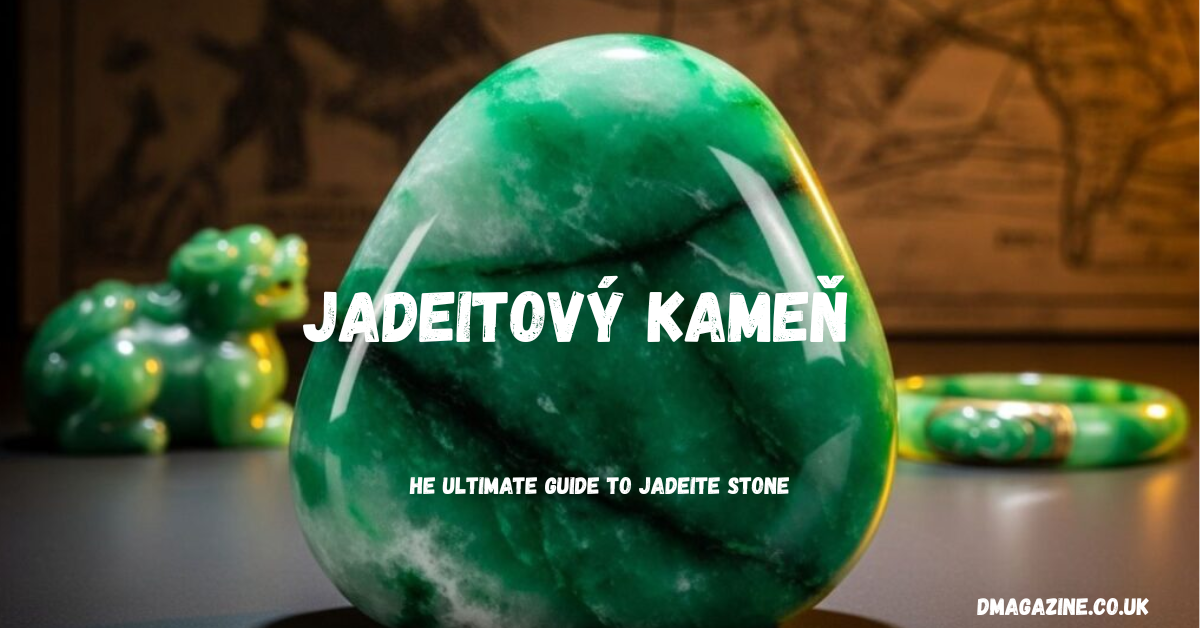
Jadeitový kameň, known in English as jadeite stone, is one of the most revered gemstones in the world. Unlike many other gems prized solely for beauty, jadeite carries deep cultural, spiritual, and historical significance in societies from ancient China to Mesoamerica. Its rarity, durability, and wide spectrum of colors also make it one of the most expensive gemstones on the global market today.
In this comprehensive guide, we’ll explore everything you need to know about jadeitový kameň — from its scientific properties and color variations to value, uses, care, and investment potential.
Jadeitový kameň refers specifically to the mineral jadeite, one of the two jade minerals recognized by gemologists (the other being nephrite). Jadeite is known for its vibrant colors, toughness, and cultural prestige, especially in East Asia.
While people often use “jade” as a general term, not all jade is jadeite — and understanding the difference is key to accurately valuing and appreciating this gemstone.
What Is Jadeitový kameň? (Scientific Explanation)
Jadeite as a Mineral
Jadeite belongs to the pyroxene mineral group and has the chemical composition NaAlSi₂O₆, a sodium aluminum silicate. It typically shows a vitreous to slightly greasy luster and can range from opaque to semi‑transparent.
Physically, jadeite is known for:
- Hardness: 6.5 – 7 on the Mohs scale
- Density: ~3.30 – 3.38 g/cm³
- Refractive Index: ~1.65 – 1.67
- Crystal structure: Monoclinic and granular
- Luster: Vitreous to silky
These properties make jadeite both tough and durable, ideal for carving and fine jewelry.
Jadeitový kameň vs Nephrite
While both are called “jade,” jadeite and nephrite are distinct minerals:
| Feature | Jadeite | Nephrite |
|---|---|---|
| Mineral composition | Sodium aluminum silicate | Calcium magnesium silicate |
| Hardness (Mohs) | 6.5 – 7 | 6 – 6.5 |
| Density | Higher | Slightly lower |
| Color range | Wide, vivid (greens, lavender, black) | More muted (greens, whites) |
| Rarity | Rarer and more valuable | More common and accessible |
Jadeite is superior in color variety, translucency, and overall rarity, which explains why it typically commands far greater value in the marketplace.
History and Cultural Significance of Jadeitový kameň
Jadeite is steeped in history and was revered long before the modern jewelry market developed.
Jade in Ancient China
In China, jade — especially high‑quality jadeite — was known as the “Stone of Heaven”. It symbolized virtue, purity, harmony, and moral integrity. Confucius himself compared jade to the qualities of the ideal human being.
Jadeite wasn’t just ornamental; it was integral in rituals, burial practices, and imperial regalia, signifying power and spiritual protection.
Jade in Mesoamerican Civilizations
Long before jadeite reached China, it was already treasured in Mesoamerica. The ancient Maya and Aztecs used jadeite for masks, jewelry, and ceremonial objects. Often, jade beads were placed in the mouths of the dead to ensure safe passage to the afterlife — a tradition rooted in deep spiritual belief.
Jade in Japan and Beyond
Archaeological discoveries show that jadeite beads and ceremonial tools were used in Japan as early as the Jomon period (over 5,000 years ago). Jadeite’s presence across ancient cultures highlights its universal appeal as a symbol of life, power, and spirituality.
Colors of Jadeitový kameň and Their Meanings
One of jadeite’s great strengths is its wide color range, each carrying its own symbolic meaning.
Imperial Green Jadeite
This is the most prized and expensive variety — a deep, vibrant green often with high translucency. The color comes from trace chromium, and top‑grade material is exceedingly rare and valuable.
Lavender Jade
A soothing purple hue valued for tranquility and inner peace. Collectors and spiritual practitioners prize lavender jade for its perceived emotional benefits.
White and Yellow Jade
- White jade: Symbolizes purity and clarity
- Yellow jade: Represents optimism and joy
Both colors are beautiful and can still carry significant value depending on texture and translucency.
Blue and Black Jade
Although rarer, these shades are growing in demand for modern aesthetic jewelry and are often associated with protection and grounding.
Where Is Jadeitový kameň Found?
Myanmar – The Global Leader
The most renowned source of jadeite is Myanmar (Burma), especially the jade mining region in Kachin State. Myanmar supplies more than 95 % of the world’s gem‑quality jadeite and has historically been the source of the finest “imperial green” stones.
The geology here — massive serpentinite bodies and tectonic uplift — allows jadeite to form under intense pressure over millions of years, producing highly polished, vibrant material.
Other Notable Sources
Beyond Myanmar, smaller jadeite deposits exist in:
- Guatemala: Known for bright green and mottled jadeite historically used by Mayans
- Japan: Prized in ancient times
- United States (California): Limited commercial significance but geologically interesting
These sources produce quality jadeite but rarely match the intensity and price of Burmese material.
Physical Properties of Jadeitový kameň
Understanding jadeite’s physical properties helps in identification and valuation:
- Hardness: 6.5 – 7 (strong, durable, suitable for rings)
- Density: 3.30 – 3.38 g/cm³ — higher than nephrite, giving jadeite a heavier feel
- Transparency: Ranges from opaque to semi‑transparent
- Luster: Vitreous (glassy) to greasy
These physical traits — particularly hardness and density — make jadeite prized for intricate carvings and jewelry that can withstand everyday wear.
Metaphysical and Healing Properties of Jadeitový kameň
Throughout history, many cultures believed jadeite carried healing and spiritual powers.
Emotional and Spiritual Benefits
- Promotes emotional balance and peace
- Symbolizes good fortune and longevity
- Associated with clarity in decision-making and calm energy
These attributes are rooted in tradition and spiritual belief rather than scientific evidence, yet they remain a strong part of jadeite’s appeal.
Jade and the Heart Chakra
In metaphysical practice, jadeite is connected with the heart chakra — thought to support love, compassion, and emotional healing. Many people wear jade pendants or bracelets for this symbolic energy.
Note: These metaphysical properties are cultural beliefs and not medically proven.
Jadeitový kameň in Feng Shui and Spiritual Practices
In Feng Shui, jadeite plays an essential role in attracting positive energy (Qi).
For Wealth and Prosperity
Placing jadeite figures of dragons or Pi Xiu motifs in the home’s wealth corner is believed to attract abundance and financial luck.
For Protection and Harmony
Wearing jadeite amulets or placing jade stones in the living space is thought to guard against negative influences and promote emotional balance.
Modern Uses of Jadeitový kameň
Jadeite Jewelry
Jadeite is widely used in:
- Rings and pendants
- Bracelets and earrings
- Custom fine jewelry settings
Its durability and color variety make it suitable for both everyday wear and heirloom pieces.
Carvings and Decorative Objects
Artisans craft jadeite into figures, statues, and ornaments that are both artistic and cultural treasures.
Skincare and Wellness Tools
In modern beauty routines, jadeite is used for:
- Jade rollers
- Gua sha massage tools
These tools are believed to improve circulation, reduce puffiness, and promote skin health — blending tradition with contemporary wellness trends.
How to Identify Genuine Jadeitový kameň
Because jadeite is valuable, imitations and treated stones are common.
Natural vs Treated Jade
- Type A: Natural, untreated jadeite — most valuable
- Type B: Chemically bleached and polymer‑impregnated — lower value
- Type C: Dyed jadeite — least valuable
Always request a gemological certificate for high-value purchases.
Visual and Physical Tests
Authentic jadeite often:
- Has a slightly cloudy appearance, not perfect clarity
- Shows fibrous internal structures under magnification
- Is hard enough to resist scratches from steel
Professional gemologists may also use tools like refractometers and spectroscopes for accurate identification.
Jadeitový kameň Market Value and Investment Potential
Jadeite’s value depends on many factors:
What Drives Value?
- Color: Vivid, even color — especially imperial green — commands the highest prices
- Transparency: Higher translucency increases value
- Origin: Burmese jadeite is often more valuable than material from other regions
- Craftsmanship: Fine carvings and jewelry settings add value
Top-grade jadeite can fetch millions of dollars per kilogram, and fine pieces have historically sold at premium auctions worldwide.
Jadeite vs Diamonds and Other Gemstones
In recent decades, high-quality jadeite has often surpassed the value of some diamonds and rubies at auction, especially when the stone is semi-transparent and richly colored.
Investment Outlook
With growing demand in China and Southeast Asia, jadeite continues to be an appealing investment gemstone. However, ethical sourcing, certification, and expert evaluation are essential to avoid treated or fake stones.
Sustainability and Ethical Concerns in Jade Mining
As jadeite’s popularity grows, ethical and environmental concerns have come into focus. Mining activities — particularly in Myanmar — can have significant impacts on local ecosystems and communities.
Consumers are advised to:
- Support responsibly sourced jadeite
- Buy from reputable dealers with transparent origin reporting
- Consider recycled or antique jadeite jewelry as eco-friendly alternatives
Ensuring that jade remains sustainable helps preserve both environmental health and cultural heritage.
How to Care for Jadeitový kameň
Cleaning Jade Properly
To maintain your jadeite’s beauty:
- Use lukewarm water and mild soap
- Avoid harsh chemicals and ultrasonic cleaners
- Dry with a soft cloth
Storage and Handling Tips
- Keep jade away from harder gemstones that might scratch it
- Avoid prolonged exposure to sunlight or extreme heat
- Store jade pieces separately in soft pouches or lined jewelry boxes
Proper care ensures jade retains its luster and value for generations.
FAQs
Is jadeitový kameň rare?
Yes — gemstone-quality jadeite is significantly rarer than nephrite jade and commands higher prices in the jewelry market.
Can jadeite change color over time?
Natural jadeite is stable and does not typically change color if cared for properly. Treated or dyed jade, however, may fade.
Is jadeitový kameň good for daily wear?
Yes — jadeite’s hardness and durability make it suitable for rings and bracelets worn daily.
How can I tell real jadeite from fake?
Authenticity is best confirmed through gemological testing and certification. Look for specific gravity, texture, and professional lab reports.
Does jade have healing properties?
Although many people attribute spiritual and emotional healing benefits to jadeite, these beliefs are cultural and not medically proven.
Final Thoughts
What sets jadeitový kameň apart from other gemstones isn’t just its vibrant colors or physical durability — it’s the profound cultural, spiritual, and historical legacy woven into every piece.
From ancient rituals and imperial treasures to modern jewelry and wellness practices, jadeite connects the past with the present in unique and meaningful ways. With growing global demand, careful ethical sourcing, and its timeless appeal, jadeite continues to be both a gem of beauty and a symbol of harmony, prosperity, and inner peace






Leave a Reply