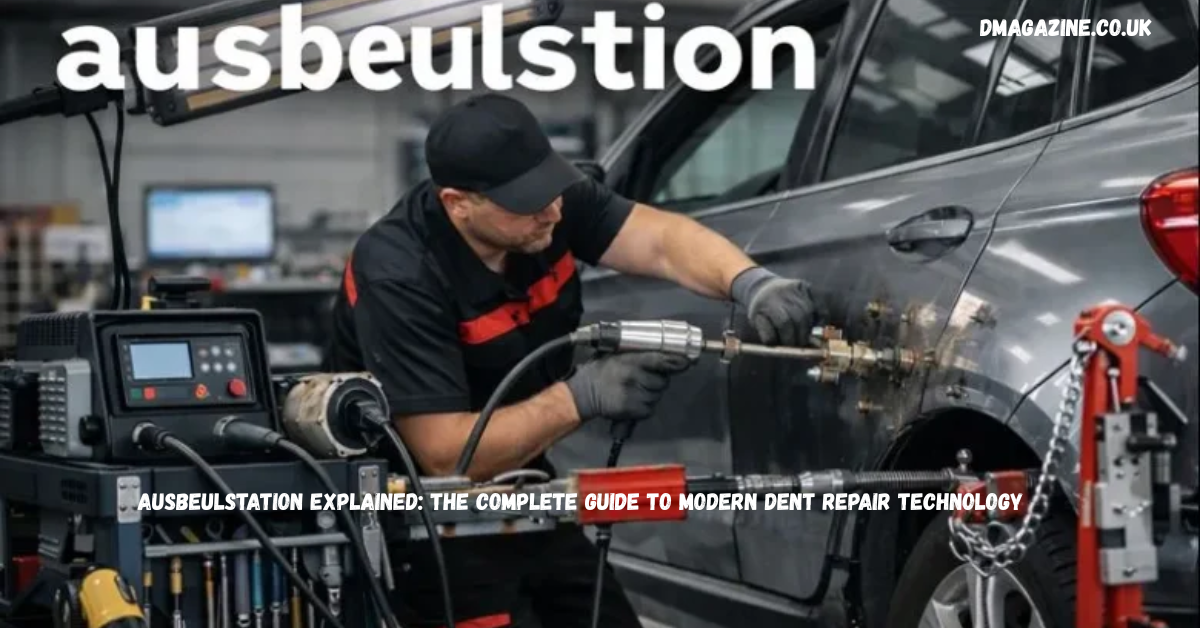
In today’s automotive repair landscape, the Ausbeulstation stands out as a sophisticated solution that has transformed the way technicians repair dents and body panel damage. Whether you are a workshop owner, an auto body repair professional, or a car owner curious about modern repair techniques, understanding how an Ausbeulstation works — and why it has become essential — offers valuable insight into the future of dent repair.
From its roots in German automotive craftsmanship to its widespread adoption in modern body shops, the Ausbeulstation represents precision, efficiency, and respect for the vehicle’s original structure and finish.
Introduction: Why Dent Repair Has Changed in Modern Auto Body Work
Dent repair has evolved significantly over the past two decades. Modern vehicles are designed with thinner metal panels, complex curves, and lightweight materials such as aluminum and composites. While these innovations improve fuel efficiency and safety, they also make traditional dent repair methods less effective.
Conventional techniques involving grinding, filler, sanding, and repainting are time-consuming, costly, and often unnecessary for minor damage. This shift has driven the demand for methods that focus on restoring metal rather than concealing damage. The Ausbeulstation meets this demand by offering controlled, precise dent correction that preserves the original paint and structure of the vehicle.
What Is an Ausbeulstation? (Definition and Real-World Meaning)
An Ausbeulstation is a specialized dent repair workstation designed to restore damaged vehicle body panels through controlled metal reshaping. The word originates from German, where ausbeulen means “to remove dents,” and station refers to a dedicated repair setup.
Rather than being a single machine, an Ausbeulstation is a complete repair environment. It combines dent pulling systems, lighting, diagnostic tools, accessories, and ergonomic elements into one organized workspace that allows technicians to work with precision and consistency.
Simple Explanation for Car Owners
For car owners, an Ausbeulstation is where dents are removed carefully without repainting whenever possible. Common damage such as door dings, hail dents, and light collision marks can often be repaired in hours instead of days, while keeping the factory paint intact.
Technical Definition for Professionals
For professionals, an Ausbeulstation is a structured workflow solution that integrates stud welding, adhesive pulling, precision lighting, and surface refinement tools. It allows technicians to apply controlled force in small increments, ensuring the panel returns to its original shape without overstretching the metal.
Why It’s More Than Just Dent Removal Equipment
An Ausbeulstation is not just about tools; it is about methodology. By centralizing equipment and standardizing processes, it improves repair quality, reduces errors, and increases workshop efficiency.
Why the Ausbeulstation Is Essential in Today’s Automotive Industry
The modern automotive industry places a strong emphasis on efficiency, sustainability, and vehicle value preservation. Customers expect faster repairs, insurers push for cost-effective solutions, and workshops aim to reduce material waste.
Key industry factors driving the use of Ausbeulstations include:
- Increasing use of lightweight metals and aluminum panels
- Rising demand for paint-preserving repair methods
- Higher customer awareness of vehicle resale value
- Environmental concerns related to paint and chemical use
The Ausbeulstation addresses all these challenges by enabling precise, minimally invasive dent repair.
Main Components of an Ausbeulstation (Complete Breakdown)
A professional Ausbeulstation consists of several essential components that work together as a system.
Spot Welder and Dent Puller Unit
This is the core of the station. It allows technicians to attach studs or pulling elements directly to the dented metal. Once attached, controlled pulling force can be applied to reshape the panel accurately.
Pulling Tools and Force Application Systems
Different dents require different tools, including:
- Slide hammers
- Pulling bridges
- Levers and hooks
These tools allow gradual correction rather than aggressive pulling, which protects the metal from overstretching.
Lighting, Diagnostics, and Measurement Tools
Specialized LED reflection lights reveal even the smallest surface irregularities. Measurement tools help ensure the panel is restored as close as possible to its factory condition.
Accessories and Consumables
Consumables such as welding studs, adhesive tabs, electrodes, and grounding magnets are small but essential. Proper organization of these items ensures smooth workflow and safe operation.
Safety and Ergonomic Features
Modern Ausbeulstations are designed with technician comfort and safety in mind. Ergonomic layouts reduce fatigue, while proper ventilation and electrical safety systems protect users during repair work.
How an Ausbeulstation Works: Step-by-Step Repair Process
Dent repair using an Ausbeulstation follows a methodical and controlled process.
Damage Inspection and Material Assessment
The technician examines the dent’s size, depth, location, and the type of panel material. This assessment determines the appropriate repair strategy.
Attachment Methods (Stud Welding and Adhesive Tabs)
Studs or adhesive tabs are applied to the damaged area to create secure pulling points. These attachments allow force to be applied exactly where needed.
Controlled Pulling and Metal Reshaping
Using specialized tools, the technician applies gradual pulling force. The metal is guided back into shape step by step, preventing distortion or weakening of the panel.
Surface Refinement and Final Quality Check
After the main dent is corrected, minor high spots are leveled, and the surface is inspected under multiple lighting angles to ensure a smooth, natural finish
Types of Vehicle Damage an Ausbeulstation Can Repair
An Ausbeulstation is suitable for many common types of damage:
Door Dings and Parking Lot Damage
Small dents caused by car doors or shopping carts are ideal candidates for Ausbeulstation repair.
Hail Damage Repair
Multiple small dents from hailstorms can be repaired efficiently, often without repainting.
Creases and Body Line Dents
With skilled technique, even light creases along body lines can be significantly improved or fully corrected.
Minor Collision and Fender Damage
Low-impact collision damage can often be reshaped, reducing the need for filler and extensive repainting.
Ausbeulstation and Paintless Dent Repair (PDR): What’s the Difference?
Paintless Dent Repair focuses on restoring panels without repainting. An Ausbeulstation provides the ideal environment to perform PDR with consistency and precision.
When Paintless Dent Repair Is Possible
PDR is suitable when the paint remains intact and the metal has not been severely stretched.
When an Ausbeulstation Is the Better Solution
For dents that require external pulling or more controlled force, the Ausbeulstation offers better results than traditional PDR alone.
Combining Both Methods for Best Results
In many cases, technicians combine PDR techniques with Ausbeulstation tools to achieve the highest repair quality.
Working With Different Materials: Steel, Aluminum, and Composites
Modern vehicles use a variety of materials, each requiring a specific approach.
Repairing Steel Panels
Steel is forgiving and responds well to controlled pulling and light heat application.
Challenges of Aluminum Dent Repair
Aluminum stretches more easily and requires precise force control. The Ausbeulstation allows technicians to work carefully without compromising panel strength.
Handling Composite Panels
Composite panels often need specialized adhesives and techniques, which advanced Ausbeulstations can accommodate.
Key Benefits of Using an Ausbeulstation
Preservation of Factory Paintwork
Maintaining the original paint helps protect resale value and appearance.
Reduced Repair Time and Costs
Many repairs are completed in hours instead of days, lowering labor and material costs.
Improved Structural Integrity
Reshaping metal rather than filling it preserves the vehicle’s original strength.
Higher Customer Satisfaction
Faster turnaround and better visual results lead to higher trust and repeat business.
Eco-Friendly and Sustainable Repair Process
Reduced paint use means fewer chemicals and less environmental impact.
Ausbeulstation vs Traditional Dent Repair Methods
Traditional methods rely heavily on filler, sanding, and repainting. While effective, they are labor-intensive and expensive.
The Ausbeulstation focuses on correction rather than concealment, producing more natural, durable results with less time and material.
How to Choose the Right Ausbeulstation for Your Workshop
Workshop Size and Repair Volume
High-volume shops benefit from advanced stations, while smaller workshops may prefer compact or mobile units.
Steel vs Aluminum Repair Requirements
Workshops handling many aluminum vehicles should choose stations with precise heat and force controls.
Advanced, Compact, and Mobile Ausbeulstations
Each type serves different operational needs, from fixed installations to mobile repair services.
Key Features to Look For
Durability, ease of use, ergonomic design, and availability of consumables are critical factors
Maintaining an Ausbeulstation for Long-Term Performance
Daily and Weekly Inspection Checklist
Check cables, tools, and connectors regularly.
Cooling Systems and Electrical Safety
Ensure proper function to prevent overheating and downtime.
Consumables Management
Keep essential supplies well stocked and organized.
Extending Equipment Lifespan
Routine maintenance and calibration ensure consistent performance.
Common Mistakes to Avoid When Using an Ausbeulstation
- Applying excessive force too quickly
- Ignoring proper lighting during inspection
- Using worn or damaged consumables
- Skipping routine maintenance
Avoiding these mistakes protects both the equipment and the repair quality.
Who Should Use an Ausbeulstation? (Professionals vs Beginners)
While professionals benefit the most from an Ausbeulstation, beginners can also achieve good results with proper training and guidance. Skill development plays a key role in maximizing its potential.
Future of Dent Repair: Where Ausbeulstation Technology Is Heading
The global paintless dent repair market continues to grow as demand rises for faster, cleaner, and more affordable repair solutions. Future developments may include advanced diagnostics, smarter lighting systems, and improved material-specific repair tools.
Conclusion:
The Ausbeulstation represents a refined approach to dent repair — one that prioritizes precision, efficiency, and honesty. By restoring metal rather than hiding damage, it delivers durable results that respect the vehicle’s original design.
For workshops, it means better workflow and higher customer satisfaction. For car owners, it means faster repairs, lower costs, and confidence that the job was done right.
FAQs
What does an Ausbeulstation do?
It restores dented panels through controlled metal reshaping, often without repainting.
Can an Ausbeulstation repair aluminum panels?
Yes, when used with proper technique and control.
Is repainting always necessary after dent repair?
No, many dents can be repaired while preserving factory paint.
How long does dent repair take with an Ausbeulstation?
Minor repairs are often completed within a few hours.
Is an Ausbeulstation suitable for small workshops?
Yes, compact and mobile options make it accessible for smaller operations.






Leave a Reply