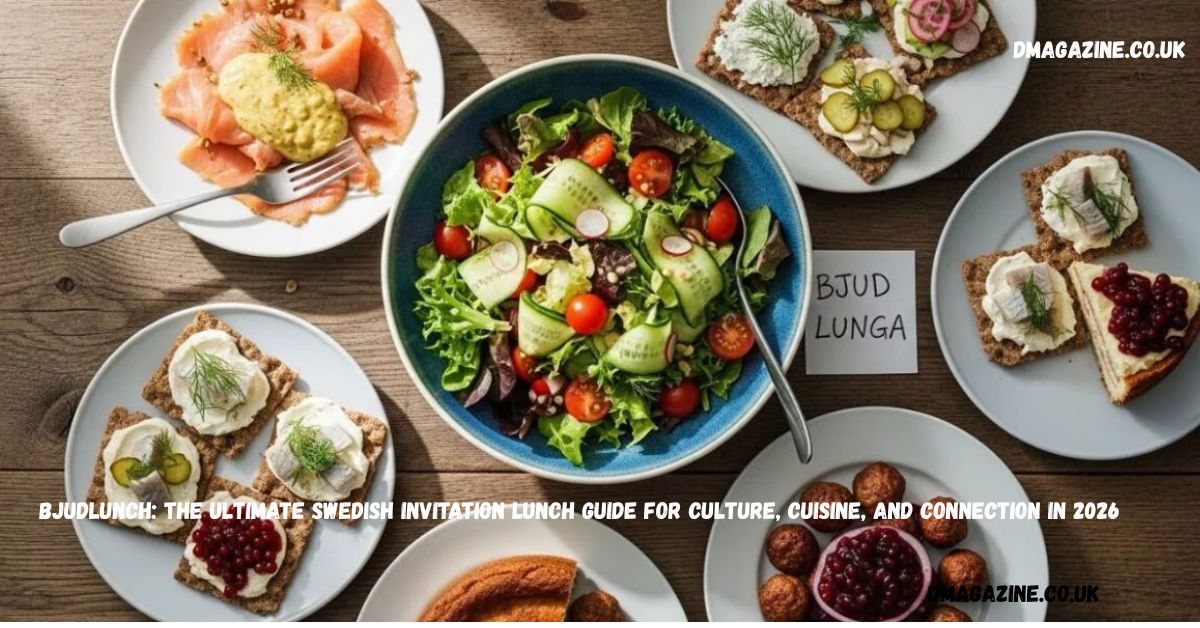
In Sweden, a simple phrase like “Jag bjuder på lunch” — “I’ll treat you to lunch” — carries meaning far beyond paying for food. It reflects a cultural ethos of generosity, equality, and social connection that is woven into everyday life. This tradition, known as bjudlunch, is a treasured part of Swedish culture that combines hospitality with human connection.
Whether enjoyed among friends, in the workplace, or even virtually, bjudlunch teaches us that shared meals can be powerful social tools. Let’s explore everything about this delightful Swedish tradition — from its origins and etiquette to menu ideas and modern expressions that make it relevant around the world.
Introduction to Bjudlunch: Sweden’s Invitation Lunch
At its core, bjudlunch is a lunch invitation where one person treats another — or a group — to a midday meal. Unlike a regular lunch where everyone pays for themselves, bjudlunch signals genuine intent to share time, appreciation, and conversation without obligation.
In Swedish society, such acts of kindness are subtle rather than grandiose. Bjudlunch is typically a modest gesture — casual, friendly, and unpretentious — often occurring in cafés, bistros, or workplace cafeterias.
The Origins and History of Bjudlunch
The traditions of shared meals date back to early Swedish rural life, where midday meals were essential during harvest and farming seasons. Families and neighbors would gather to share food that provided energy for the long workday. Over time, these gatherings evolved into a cultural expression of hospitality and community.
The modern concept of bjudlunch grew out of these simple practices and reflected Sweden’s broader social values — especially the idea of lagom, meaning “just enough.” This philosophy promotes balance, moderation, and a life of practical generosity — a perfect fit for bjudlunch culture.
Bjudlunch in Everyday Life
Bjudlunch occurs in many social contexts:
- Personal Relationships: Friends use it to catch up, celebrate milestones, or show appreciation quietly and meaningfully.
- Family Gatherings: While everyday meals at home are common, inviting someone for a lunch out can mark a moment as special without the pressure of a full dinner.
- Workplace and Professional Networking: It’s a popular tool for connection among colleagues, team leaders, and clients, promoting a relaxed exchange of ideas outside formal meeting rooms.
Across all these settings, the goal remains the same: build rapport and deepen connections through shared time and food.
Hosting a Bjudlunch: Step‑by‑Step Guide
Hosting a successful bjudlunch blends thoughtful planning with authentic hospitality. Here’s how you can create a memorable experience.
Choosing the Right Date and Time
Lunch in Sweden traditionally occurs between 11:00 AM and 1:00 PM — a natural midday break embedded in the Swedish workday.
When inviting guests:
- Avoid scheduling during busy mornings or late afternoons.
- Midweek days like Tuesday or Wednesday often work well for professional gatherings.
- Weekends can be perfect for personal lunch invitations.
The aim is to choose a time that promotes relaxed interaction without rushing through the meal.
Planning the Perfect Menu
Food is the heart of bjudlunch. While the gesture is more important than extravagance, incorporating flavorful, well-balanced dishes enhances the experience.
Traditional Swedish Options
Swedish cuisine offers many delights that work wonderfully for bjudlunch:
- Open‑faced sandwiches (smörgås) — rye bread topped with herring, gravlax, shrimp, egg, or cheese.
- Köttbullar (meatballs) — classic Swedish meatballs with lingonberry sauce.
- Potato dishes like raggmunk (potato pancakes) and Janssons frestelse (creamy potato and anchovy casserole).
- Gravlax and pickled herring — excellent for lighter lunches reflecting coastal Swedish food culture.
Modern and Inclusive Choices
- Fresh salads with seasonal vegetables
- Vegetarian and vegan-friendly dishes
- Light soups served with fresh bread
- Dessert options like kanelbullar (cinnamon buns) or kladdkaka (sticky chocolate cake)
Setting the Table and Creating Atmosphere
Swedish aesthetics tend toward simplicity and minimalism — qualities that lend themselves beautifully to a bjudlunch setting.
Tips for a welcoming atmosphere:
- Use clean table linens and simple tableware.
- Add small floral arrangements or candles for warmth.
- Choose soft background music to enhance conversation.
Keep the focus on the shared experience rather than lavish decoration.
Accepting a Bjudlunch Invitation
Receiving an invitation to a bjudlunch is a sign of respect and warmth. Here’s how to respond gracefully:
- Reply promptly and politely, whether you can attend or not.
- Express any dietary preferences early to help the host plan.
- Dress in smart casual attire — comfortable yet respectful.
Once there, engage with genuine conversation — much of the value of bjudlunch lies in shared dialogue, not just food.
Bjudlunch in the Workplace
In Swedish work culture, bjudlunch holds a special place — it reinforces flat hierarchies, openness, and mutual respect.
Team Bonding Without Formalities
Instead of structured meetings, colleagues often prefer relaxed lunches to discuss ideas. This environment:
- Encourages honest conversation
- Reduces stress and perceived hierarchy
- Improves trust and collaboration
Professional Networking
Managers may invite team members or clients for lunch to:
- Welcome new employees
- Celebrate project achievements
- Conduct informal performance discussions
This approach makes business interactions less intimidating and more human-centered.
The Social, Psychological, and Emotional Benefits
Shared meals are powerful. Eating together triggers the release of oxytocin — the bonding hormone — which strengthens empathy and social trust.
Why Bjudlunch Matters Psychologically
- Reduces stress: A relaxed meal break improves mental clarity and focus.
- Creates memories: Shared experiences deepen social bonds.
- Encourages presence: Unlike rushed lunches alone, bjudlunch fosters attentive listening and genuine communication.
In workplaces, these effects translate into better morale, reduced turnover, and enhanced teamwork.
Bjudlunch vs Ordinary Lunch
| Aspect | Ordinary Lunch | Bjudlunch |
|---|---|---|
| Purpose | Eating or convenience | Building connection |
| Who Pays | Individual | Host pays |
| Social Meaning | Functional | Emotional and relational |
| Atmosphere | Often alone or neutral | Warm and intentional |
| Impact | Temporary satisfaction | Long‑lasting relationship |
While ordinary lunches satisfy hunger, bjudlunch nurtures relationships.
Environmental Awareness and Modern Adaptations
Modern Swedes increasingly integrate sustainability into their meals, choosing vegetarian or locally sourced foods to show care for people — and the planet.
Virtual Bjudlunch
With remote work on the rise, bjudlunch has adapted:
- Meal vouchers sent to colleagues
- Virtual lunch calls where participants order food while sharing conversation online
These adaptations prove that the tradition’s heart — connection — transcends physical settings.
The Global Rise of Bjudlunch
Interest in bjudlunch is spreading beyond Sweden as people everywhere seek deeper connection in a fast-paced world. This concept is becoming a model for:
- An alternative to transactional business lunches
- Reducing loneliness
- Fostering meaningful interaction in hybrid teams
Lessons the World Can Learn from Bjudlunch
Bjudlunch teaches several timeless lessons:
- Connection matters more than cost.
- Presence is more valuable than presentation.
- Shared time strengthens human bonds.
Imagine workplaces where colleagues commit to a weekly bjudlunch. Imagine friendships deepened over intentional conversations. In a world often dominated by speed and screens, bjudlunch invites us to slow down, listen, and belong.
Conclusion
Bjudlunch is more than a meal — it’s a cultural mindset rooted in hospitality, equality, and genuine connection. In Sweden, it has evolved from rural communal meals to a versatile social tool that thrives in homes, cafés, and professional settings alike.
Whether you’re hosting a colleague in a cozy bistro, inviting a friend for a casual lunch, or arranging a virtual lunch call in a remote team, the essence of bjudlunch remains the same: sharing time, sharing conversation, and sharing humanity.
In a world full of distractions, perhaps the greatest gift you can offer someone is simply: “Let’s have lunch together.”
FAQs
1. What is a bjudlunch?
A bjudlunch is a Swedish tradition where one person invites another to lunch and covers the cost. It’s more than a meal — it’s a gesture of goodwill, friendship, and connection. The focus is on sharing time and conversation rather than the food itself.
2. Where did the tradition of bjudlunch come from?
Bjudlunch originated in Sweden and evolved from rural communal meals where neighbors and families shared food during busy workdays. Over time, it became a modern expression of hospitality, equality, and social bonding.
3. Who usually pays for a bjudlunch?
In a bjudlunch, the host or inviter pays for the meal. Unlike ordinary lunch outings, guests don’t split the bill. The act is non-transactional and focused on building relationships and trust.
4. What is the proper etiquette for hosting a bjudlunch?
When hosting:
- Choose a comfortable location and convenient time for guests.
- Prepare a menu with traditional Swedish dishes and modern options.
- Set the table simply but elegantly.
- Focus on conversation and connection rather than formalities.
5. How should I respond to a bjudlunch invitation?
Respond promptly and politely, either accepting or declining. If attending, communicate any dietary restrictions. Dress in smart casual attire and be ready to engage in meaningful conversation.
6. What foods are commonly served at a bjudlunch?
Traditional dishes include:
- Smörgås (open-faced sandwiches)
- Köttbullar (Swedish meatballs)
- Janssons frestelse (potato casserole with anchovies)
- Gravlax or pickled herring
Desserts may include kanelbullar (cinnamon buns) or kladdkaka (chocolate cake). Vegetarian and modern options are often included.
7. Can bjudlunch happen in the workplace?
Yes, it’s very common in Swedish workplaces. Bjudlunches encourage team bonding, informal idea-sharing, and relationship-building. Managers often invite colleagues or clients for lunch to foster a relaxed and egalitarian atmosphere.
8. Is bjudlunch only a Swedish tradition?
While it started in Sweden, the concept is gaining popularity worldwide. Many people and businesses now embrace the idea of inviting someone for lunch as a gesture of appreciation or connection. Virtual bjudlunches have also become common in remote work environments.
9. What makes bjudlunch different from an ordinary lunch?
Unlike an ordinary lunch where everyone pays for themselves and the focus is usually on convenience, bjudlunch emphasizes connection, gratitude, and social bonding. It’s a thoughtful occasion rather than a routine meal.
10. How can I host a virtual bjudlunch?
For remote teams or long-distance friends:
- Send meal vouchers to your guests.
- Schedule a video call during lunch.
- Encourage casual conversation and engagement.
This keeps the essence of connection and shared experience, even without being physically together.






Leave a Reply